
Industrial fluid system connectors
Leaks, backflow, clogged lines, pressure loss and more can all be attributed to using the wrong type of connector. Fluid connectors are used in nearly every industry that utilizes fluids, including manufacturing, transportation, energy, oil and gas, food and beverage, healthcare and many more. Choosing the right one can make all the difference in the performance and reliability of your pneumatic, hydraulic and process fluid systems.
Fluid connectors, also known as fittings, are used to connect pipes, tubes, hoses, pumps, cylinders and other equipment in fluid systems – as discussed here. In addition to ensuring a tight and secure connection, fittings also help to route fluids to various components within a process without the risk of leaks or excessive pressure loss. There are a variety of different types of fittings for pneumatic, hydraulic and process applications including valves, adapters, couplings and more.
What does a connector have to handle?
While size and thread are important, there are several other factors to keep in mind when selecting fluid connectors. It’s important to understand how the system will be used and the environment in which it will operate in order to choose the right connector. Consider the following:
- The maximum operating and surge pressures. Fluid systems experience surge pressures when pumps start up, valves suddenly open or close, or if there are changes in system load. All components should be rated for these pressures, as well.
- The minimum and maximum fluid and ambient temperatures
- The fluids or chemicals being transported and ensure that the connector materials (both sealing and metallic) are compatible
- The type of pipe, tube or hose to which the fitting will be connected
- Vibration, motion and other mechanical stresses in the system
- Flow rate and allowable pressure drop
- How often the fitting will need to be disconnected for maintenance or to swap out components
Why the right connector matters
In pneumatic systems, couplings and fittings should be able to accommodate quick connection and disconnection for easy maintenance and component changes. The operating principles of hydraulic systems are outlined at https://www.www1.grc.nasa.gov/beginners-guide-to-aeronautics/pascals-principle-and-hydraulics, while their connectors must withstand much higher pressures and, in many cases, use threaded fittings with a carefully chosen sealing option. Process applications may require sanitary fittings or fittings that won’t corrode or react with the fluids being transported.
It’s important to choose the right connector for the entire fluid system, not just the component to which it will be attached.
Don’t underestimate the seals
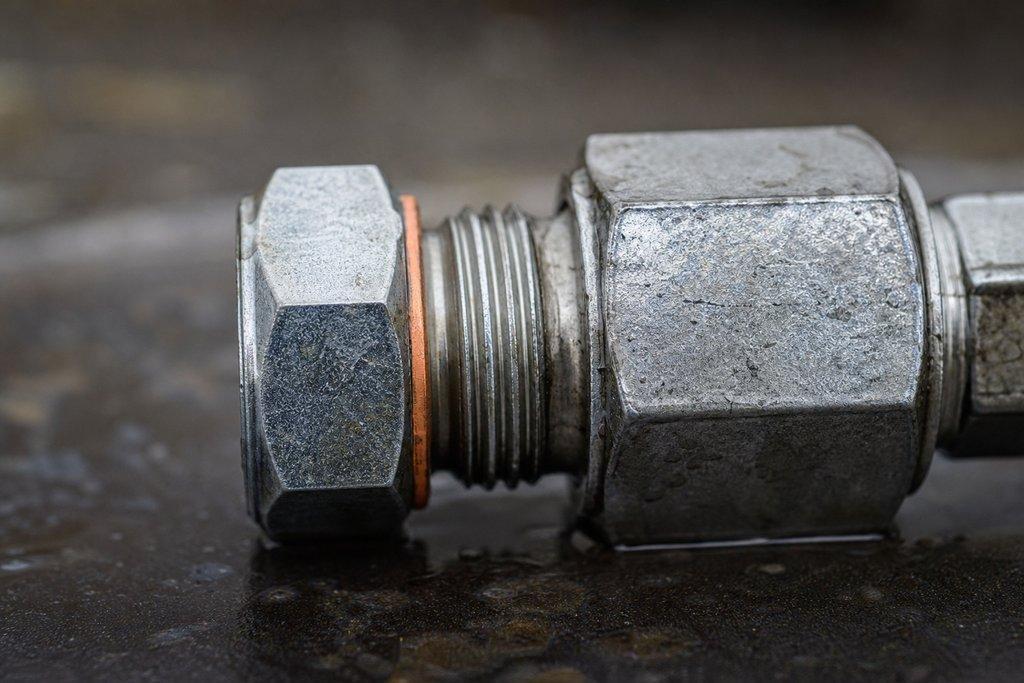
Fluid fittings and sealing components
Fluid connectors are only as effective as their sealing method. Depending on the connector type, sealing can occur via a tapered thread, an O-ring, metal-to-metal, flared or face seal. It’s important to use connectors with threads that are designed to work together to avoid issues down the road. Though they may look similar, connectors can vary in thread diameter, pitch, angle and/or taper. Threaded fittings that don’t match can result in leaks and premature fitting failure.
Seals can also swell, harden or otherwise deteriorate when exposed to different types of gases, oils, solvents, coolants and other chemicals. In applications where the type of fluid changes or equipment is regularly washed down, pay special attention to choosing the right seal material for the job.
Installation is only half the job
Connector failures don’t always stem from choosing the wrong one. Even the ideal fitting for an application can lead to leaks and other problems if it isn’t installed properly. Follow these tips when installing fittings and connectors:
Make sure there’s enough room to properly install the fitting, including enough space to use a wrench and for hoses and tubes to be routed without exceeding their minimum bend radius. Connectors subject to side loads may initially make a tight seal, but can loosen or fail over time due to fatigue.
Inspect the fitting and mating surface to make sure they’re free of debris and burrs and that the threads aren’t damaged.
Lubricate threads when appropriate.
Follow torque specs, loosening or overtightening can damage fittings and result in leaks.
Take the time to select the right fitting for the job and follow best practices for installation and maintenance. You’ll be rewarded with a leak-free, reliable fluid system.
Is there enough access for maintenance?
If fluid connectors are located near pumps, control valves, filters or other components that require regular maintenance or service, make sure there’s easy access for inspection and disconnection.
If connectors or hoses/tubes need to be disconnected regularly, consider quick couplings to make the process faster and easier. Choose the right type of quick coupling for the job based on flow and pressure requirements, ease of connection/disconnection and spill prevention. In some applications, self-sealing quick couplings are ideal to help prevent loss of fluid. In others, threaded connections may be preferable since they have fewer components and may be more space efficient.
Checks before putting the system back in service
Remember to check that all hoses/tubes are properly supported and not twisted or bent beyond their minimum bend radius.
Check all fittings to make sure they’re straight and tight.
Make sure all end caps, clamps and other components are in place.
Pressure/leak test as needed.