
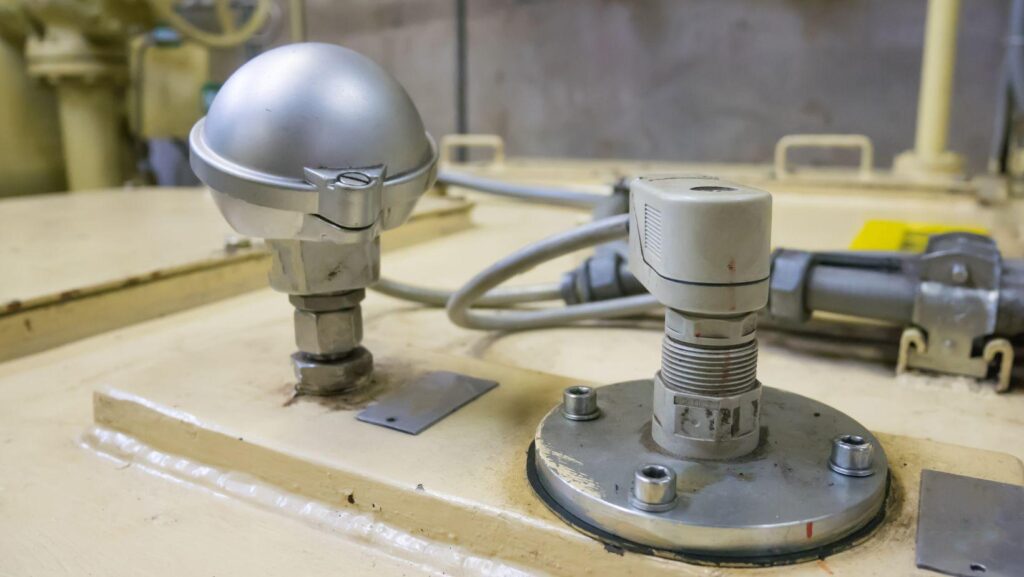
Specifying process instrumentation can feel straightforward – until an incompatible component triggers a false high-level trip, corrodes mid-cycle, or shuts down a production run. Because liquid measurement technologies operate on fundamentally different mechanical and physical principles, there is no universal sensor capable of handling every industrial fluid or vessel layout.
Whether you are designing a new processing system or upgrading existing storage assets, using a structured evaluation process prevents costly specification mistakes.
Here are five things you need to keep in mind to help you select the ideal level sensing hardware for your application.
1. Analysing Fluid Mechanics and Chemical Aggressiveness
The primary variable in any level measurement project is the substance being monitored. Fluid characteristics dictate both the ideal sensing method and the required wetted materials.
- Viscosity and Particulate Load: Thick, sticky, or slurry-heavy liquids (such as resins, wastewater, or lubricants) can clog mechanical moving parts or obscure optical windows. Non-contact technologies or heavy-duty, self-cleaning designs perform significantly better in these environments.
- Chemical Reactivity: Aggressive acids, caustics, and harsh organic solvents erode standard brass, aluminium, or rubber seals over time. Always verify chemical compatibility to determine whether you need 316L stainless steel, Teflon (PTFE), PVDF, or engineered composite housings.
- Surface Dynamics: Agitated tanks, splashing, outgassing, and thick surface foam distort optical beams and sound waves. If your process creates heavy foam, guided wave radar or mechanical float switches remain much more reliable than standard ultrasonic alternatives.
2. Mapping Environmental Conditions and Vessel Constraints
A sensor’s performance depends heavily on the ambient and internal conditions of the container. Mapping these parameters early prevents unexpected field failures.
- Thermal and Pressure Limits: Process vessels operating under deep vacuum, cryogenic storage, or high-pressure steam require rated seals and rugged electronics. Standard ambient-rated sensors quickly degrade under continuous thermal cycling.
- Explosive Environments: Tanks holding aviation fuel, solvent vapours, or volatile chemicals require strict safety compliance. Look for intrinsically safe models certified under ATEX or IECEx protocols to eliminate ignition risks within hazardous locations.
- Space Limits and Nozzle Openings: Internal vessel features – such as heating coils, spray balls, or support struts – can create signal obstructions for non-contact transmitters. In tight spaces, compact side-mounted switches or top-entry probes provide an uncluttered path.
3. Continuous Monitoring vs. Discrete Switching
Clarifying how your control system consumes level data dictates the fundamental technology platform you should choose.
Discrete Point Level Control
If your goal is simply preventing overflows, protecting pumps against dry running, or triggering automated refill valves, a point level switch is ideal. These devices monitor specific, predetermined height thresholds using technologies such as float switches, conductivity probes, or optical sensors.
Continuous Level Tracking
If your control system requires real-time inventory visibility, volume trends, or remote telematics, you need a continuous transmitter. These units provide ongoing feedback signals (typically via 4–20 mA loops, 0–10V outputs, or digital protocols like Modbus) using hydrostatic, capacitive, or radar mechanisms.
Engineering Best Practice: High-consequence applications (such as hazardous chemical storage) frequently pair continuous level transmitters with an independent, hardwired float switch to serve as a secondary fail-safe high-level alarm.
4. Matching Technology Types to Required Precision
Over-specifying accuracy adds unnecessary cost, while under-specifying leads to process errors. Balance precision requirements against practical operational needs across the primary technology families:
- Float and Reed Switches: Highly reliable, immune to surface foam, and cost-effective. Ideal for clear liquids, fuel tanks, and standard water management systems.
- Non-Contact Ultrasonic & Radar: Excellent for sterile, aggressive, or dirty fluids since no component touches the liquid. Radar offers superior stability in vapour-heavy, turbulent, or high-temperature environments compared to ultrasonic options.
- Capacitive and Solid-State Sensors: Extremely reliable for compact installations due to the absence of moving mechanical parts, though they may require recalibration if dielectric properties shift between fluid batches.
5. Factoring in Lifetime Ownership Costs
Initial purchase price represents only a fraction of a sensor’s total lifecycle cost. Evaluating long-term maintenance needs ensures better ROI.
- Installation Effort: Threaded connections (NPT or BSP) and standard wiring harnesses reduce field installation time compared to custom flange fabrications or complex calibration routines.
- Maintenance & Wear: Solid-state and non-contact sensors reduce ongoing labour by eliminating mechanical wear. In contrast, mechanical components may require routine inspection in dirty or scaling fluids.
- Unplanned Downtime: A low-cost sensor that fails prematurely can trigger thousands in emergency callouts, cleanups, and lost production. Investing in industrial-grade hardware engineered for your specific process conditions pays off over the lifespan of the equipment.
Finding the Strategic Fit for Your Facility
Selecting the optimal sensor requires balancing fluid dynamics, tank geometry, control architecture, and long-term operating costs. Taking the time to evaluate these five areas guarantees reliable process performance and protects your capital equipment investments.
Need help identifying the exact specification for your process? Explore the full range of liquid level sensors at Rochester Sensors, or consult directly with our technical team to design a solution tailored to your operational requirements.